How to Manage Fear and Sanity in Paranoia Place
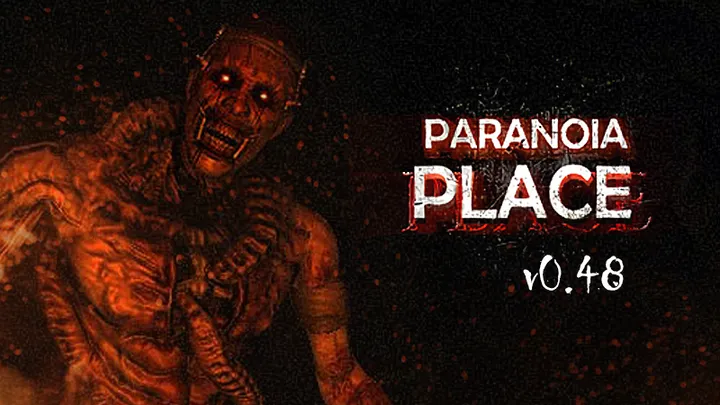
There’s a moment in Paranoia Place when you realize the real enemy isn’t what’s lurking in the shadows — it’s your own mind. The deeper you explore the creaking staircases and hollow hallways, the louder your own heartbeat becomes.
The game doesn’t just scare you. It studies you. Every step you take, every flick of the flashlight, every wrong decision builds tension until you start to question what’s real. The name “Paranoia Place” isn’t just clever — it’s a warning.
I remember my first playthrough vividly. I panicked, sprinted everywhere, wasted every battery, and died within minutes. What I didn’t understand back then was simple: survival in Paranoia Place isn’t about speed — it’s about control. The only way to win is to master your fear and your sanity.
This guide dives deep into that single skill. We’ll explore how to manage fear and maintain composure in a world designed to make you lose it.
1. Understanding the Psychology of Paranoia
Before you learn how to control fear, you have to understand how Paranoia Place defines it. Fear isn’t just a feeling here — it’s a measurable mechanic that changes the world around you.

The Invisible Fear System
As your character grows anxious, subtle cues appear: distorted sound, unstable vision, heavier breathing. These are not just for atmosphere. They represent your mental decay in real time.
When fear rises, perception bends. Hallways loop, lights flicker, whispers grow louder. It’s not random — it’s the game’s way of testing your control.
Fear as a Gameplay Mechanic
The beauty of Paranoia Place lies in its balance between emotional manipulation and mechanical consequence. Fear is both your opponent and your teacher. Every scare is data — learn from it.
2. Recognizing What Triggers Fear
Sanity doesn’t just drop at random. The environment and your behavior directly influence your mental stability. Knowing what triggers your character’s fear is the first step toward mastering it.
Environmental Triggers
- Prolonged darkness increases paranoia.
- Unfamiliar sounds or whispers amplify unease.
- Staying isolated for too long causes minor sanity dips.
- Revisiting the same space multiple times can trigger looping illusions.
Character-Based Triggers
Each playable character in Paranoia Place responds differently. Some handle visuals well but lose control when alone. Others remain calm in darkness but collapse when startled. You must learn their individual tolerances through experience.
3. Decoding the Sanity System
Fear in Paranoia Place operates on invisible numbers — but its effects are tangible. Understanding how these phases work will help you anticipate what’s coming.
The Three Phases of Sanity
- Stable (100–70%) – Clear visuals, calm breathing, no distortions.
- Unstable (69–40%) – Visual blur, heavy breathing, flickering shadows.
- Critical (Below 40%) – False noises, phantom footsteps, warped rooms.
How Sanity Affects the World
Your paranoia doesn’t just affect you — it changes the world. High fear levels alter lighting, distort pathways, and attract supernatural entities. The environment reacts to your mental state, not the other way around.
4. Light Management: Friend and Foe
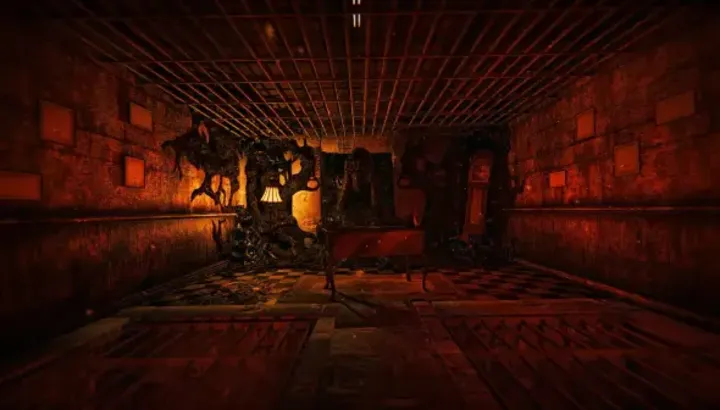
Light is your sanity’s best friend, but also its most dangerous companion. Too much of it attracts attention. Too little, and you lose your grip on reality.
Using Light Strategically
- Use your flashlight in short bursts.
- Place candles in loops to create safe visual anchors.
- Flares stabilize sanity briefly but draw unwanted attention.
Conditioning Your Mind
If you always rely on light, you’ll panic when it’s gone. Practice calmness in controlled darkness. Turn off your light in known safe areas to build mental resistance for later.
5. Breathing and Movement as Tools of Survival
Your character’s physical behavior mirrors their mental state. Breathing, stamina, and speed are all tied to fear management.
Breathing Control
When you panic and sprint, you raise your heartbeat and accelerate sanity loss. Slow down. Let your character breathe. You’ll hear the difference — shallow gasps mean danger; deep exhalations mean control.
Movement Patterns
Standing still too long can trigger auditory hallucinations. The best method is rhythmic motion: walk, pause, breathe, then move again. You’re teaching your body to stay calm through repetition.
6. Creating Environmental Anchors
One of the most powerful ways to control fear is to anchor yourself to something familiar.
What Anchors Are
Anchors are stable, repeatable sensory cues — a specific candle glow, a dripping sound, or a scratched mark on a wall. These remind your brain of what’s real when everything else feels unstable.
Using Anchors Effectively
Before venturing into new areas, study your surroundings. Memorize colors, light sources, or sounds. When paranoia hits, recalling those details helps your mind reject hallucinations.
7. Listening to the Soundscape
Sound in Paranoia Place isn’t just for immersion — it’s information. Every creak, whisper, or hum means something.
Interpreting Audio Cues
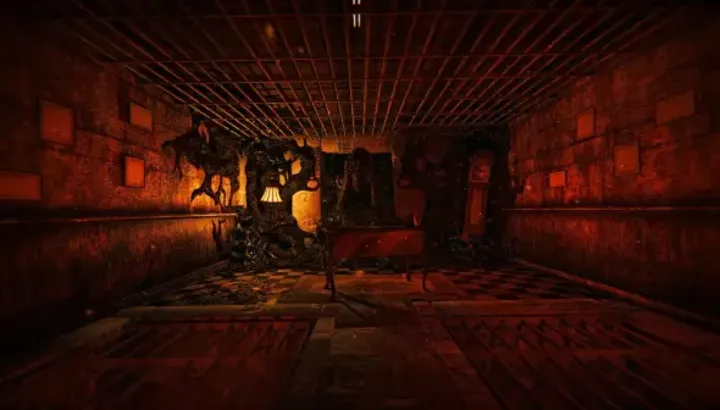
- Echoing footsteps usually indicate open areas or safety zones.
- Muffled sounds mean walls or hidden spaces nearby.
- Static or whispering warns that your sanity is slipping.
The Silence Strategy
When overwhelmed, take control of your environment. Stop. Listen. If possible, lower the volume briefly to give your brain a reset. Fear thrives on overstimulation — deny it that fuel.
8. Restoring Sanity in Real Time
You won’t always prevent panic. Sometimes, your sanity will spiral. The key is knowing how to recover before the breakdown becomes fatal.
Techniques for Mental Recovery
- Step into illuminated zones to stabilize your mind.
- Interact with static objects like doors or switches to ground yourself.
- Control breathing — slow, deep, rhythmic.
The Reset Habit
After every major scare or chase, stop and reset. Don’t move immediately. Give your nervous system a chance to calm before progressing. Preventing fear buildup is far easier than reversing it.
9. Turning Fear into an Ally
Here’s where mastery begins. Once you understand fear, you can use it to your advantage.
Adaptive Awareness
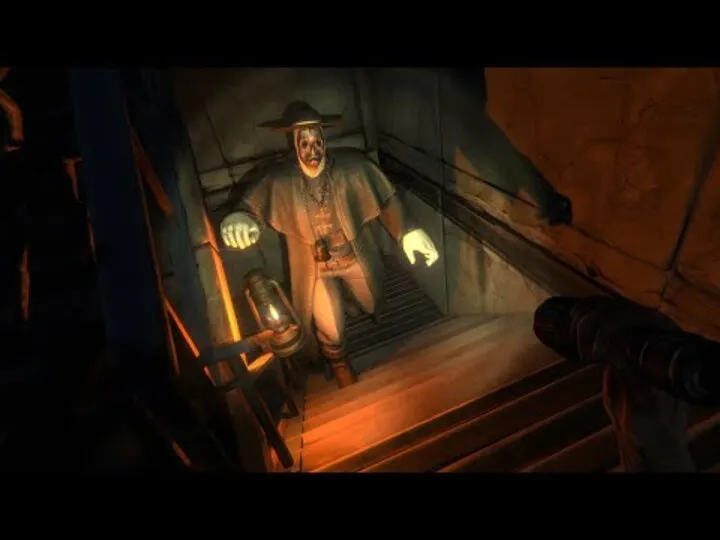
High paranoia sharpens certain senses. The more frightened you are, the more likely you’ll spot hidden clues or faint symbols. Use this heightened perception intentionally.
Fear as Communication
When your fear spikes near specific objects or corridors, take note. The game is trying to tell you something — an event, secret, or threat is nearby. Paranoia becomes a guide if you learn to read its signals.
10. Sustaining Control Over Long Sessions
Surviving one encounter is easy. Staying calm through hours of dread is what separates mastery from survival.
Creating Pre-Game Routines
- Start in bright light to desensitize early tension.
- Lower brightness gradually before gameplay.
- Use a physical cue (a gesture, word, or breath) to remind yourself: you control the fear, not the other way around.
Post-Game Recovery
End sessions in safe zones. Let your character stand in light for a minute before quitting. This simple ritual helps your mind disconnect from the stress state that horror games create.
Conclusion: Fear Is the Real Opponent
Paranoia Place is more than a haunted maze — it’s a psychological experiment. It teaches you that true horror comes not from what you see, but from what your mind does with it.
Managing fear isn’t about hiding from it. It’s about making it part of your rhythm. Once you accept fear as an ally instead of an enemy, the game transforms. You stop surviving — you start mastering.
That’s how you beat Paranoia Place: not by escaping the monsters, but by escaping your own panic.